
Putin in Delhi: Strategic Ties Eclipse Peace Broker Ambitions
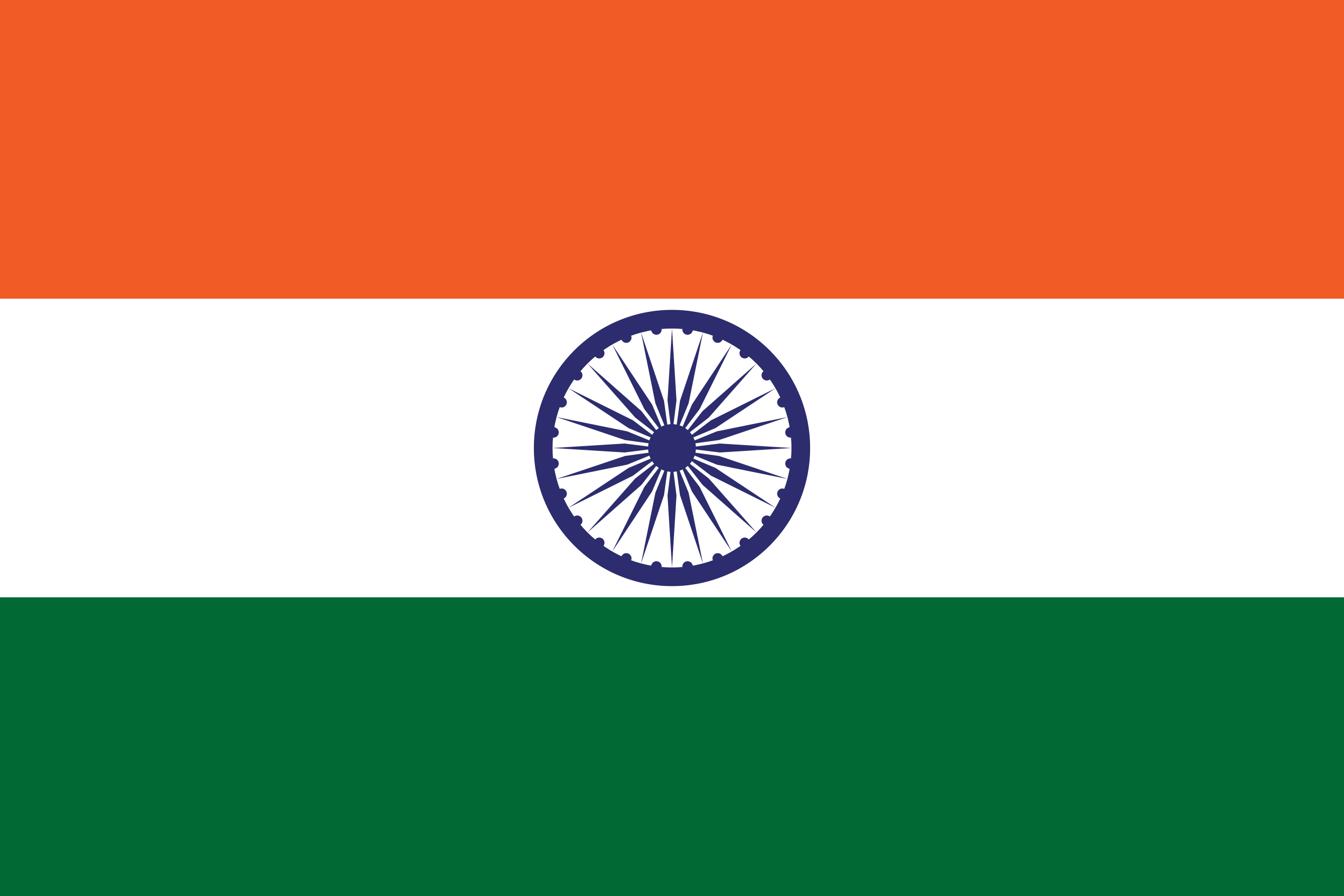
NEW DELHI — Russian President Vladimir Putin arrived in India today for the 23rd India-Russia Annual Summit, effectively closing the door on speculation that this diplomatic window could facilitate a surprise encounter with Ukrainian President Volodymyr Zelenskyy. While the market questions whether India will host the next meeting between the two leaders before 2027, the current itinerary signals that New Delhi is prioritizing its "Special and Privileged Strategic Partnership" with Moscow over its potential role as a neutral peacemaker.
Bilateralism Over Mediation Despite Prime Minister Narendra Modi’s consistent rhetoric regarding "dialogue and diplomacy," this summit is firmly rooted in logistics, not conflict resolution. With President Zelenskyy absent, the focus has shifted entirely to insulating the Russo-Indian economic corridor.
The optics of the arrival—Modi breaking protocol to greet Putin at the airport—reinforce the depth of ties despite global polarization. The confirmed agenda centers on bypassing Western financial systems, securing long-term discounted crude oil, and addressing critical military hardware needs, including S-400 missile defense squadrons and potential Su-57 collaboration. These priorities suggest New Delhi is currently focused on securing its own supply chains rather than expending political capital on high-stakes mediation.
Friction Limits Neutrality The probability of India serving as a near-term venue for peace talks is further complicated by the diplomatic friction surrounding this visit. Ahead of the summit, the embassies of France, Germany, and the UK issued joint criticisms of Russia’s stance within Indian media, prompting a sharp rebuttal from India’s Ministry of External Affairs, which labeled the move "unacceptable diplomatic practice."
This exchange highlights the tightrope New Delhi walks. By aggressively defending its engagement with Moscow against Western pressure, India reinforces its "strategic autonomy." However, this deepening alignment on defense and energy could arguably dilute the perception of neutrality required to host Zelenskyy alongside Putin in the near future.
The Outlook to 2027 Putin’s presence normalizes the annual summit cycle, but the "Programme for the Development of Strategic Areas of Russian-Indian Economic Cooperation until 2030" leaves little room for the Ukraine war to be addressed beyond standard rhetoric. While India remains a theoretically viable location for a future encounter before the 2027 horizon, the dynamics of this week’s summit indicate that for now, New Delhi is acting as a strategic partner to Russia rather than a global referee.