
North American Trade Pivot: Distinguishing Tariff Truces from New Laws
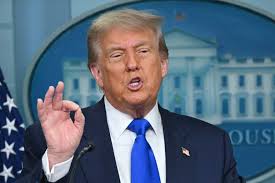

WASHINGTON — President-elect Donald Trump’s rapid pivot from threatening economic warfare to confirming he is "working with" Canada and Mexico marks a critical inflection point for North American trade markets. While the de-escalation suggests a path toward immediate stabilization, sophisticated observers must now distinguish between executive-level tariff truces and the far higher legislative hurdle of enacting new Free Trade Agreements (FTAs) into law.
For markets forecasting trade outcomes in 2025 and 2026, the distinction is vital: the current diplomatic trajectory favors quick, transactional tariff agreements (Market 5) while leaving the probability of comprehensive, Congress-ratified trade laws (Markets 1-4) constrained by bureaucratic reality.
The Shift: From Ultimatum to Transaction The administration’s stance has shifted from brinkmanship to negotiation following high-level interventions by Canadian Prime Minister Justin Trudeau and Mexican President Claudia Sheinbaum. Trump’s characterization of recent talks as "very productive" indicates that the threat of a blanket 25% tariff—originally linked strictly to border security and fentanyl—has evolved into a broader negotiation involving "fair trade deals" and "trade deficits."
This opens the door for bilateral agreements to be reached swiftly, potentially before the inauguration on January 20. However, the mechanism of these agreements matters profoundly for market resolution.
Scenario A: The Tariff Agreement (High Probability) The administration appears focused on securing immediate "wins" regarding border enforcement and specific trade imbalances. This aligns with the resolution criteria for a "publicly announced mutual agreement" regarding tariffs.
- Mechanism: Executive authority, Memorandums of Understanding (MOUs), or side letters.
- Timeline: High likelihood of finalization by Dec. 31, 2025.
- Market Implication: This satisfies criteria for tariff-specific markets but does not necessarily constitute a new FTA becoming law.
Scenario B: A New Trade "Law" (Low to Moderate Probability) While Trump is discussing "fair trade deals," transforming these discussions into a new FTA that replaces or substantively amends the USMCA requires Congressional ratification.
- Mechanism: Trade Promotion Authority (TPA) protocols, Senate debate, and ratification.
- Timeline: The USMCA is already scheduled for a formal review in 2026. Initiating and passing a wholly new trade law in 2025 is a logistical longshot, even with political will.
- Market Implication: Traders should be wary of conflating a "handshake deal" on tariffs with the enactment of a new trade deal into federal law. The legislative calendar suggests the latter is unlikely to resolve "Yes" in the near term, regardless of executive rhetoric.
Positions Hardening As negotiations advance, Mexico has prepared "Plan B" retaliatory tariffs while simultaneously promising tighter border enforcement—a claim Trump touted as a "closing" of the border, though Sheinbaum disputed the phrasing. Canada continues to leverage the integrated supply chain to argue against duties.
The immediate forecast suggests the U.S. will prioritize a negotiated settlement that can be announced as a victory in the coming months. For the markets, the signal is clear: expect headline risk regarding "deals," but scrutinize the fine print to see if they are executive adjustments or legislative overhauls.