
US Threatens to 'Decouple' NATO Coordination by 2027 as Russia Talks Accelerate

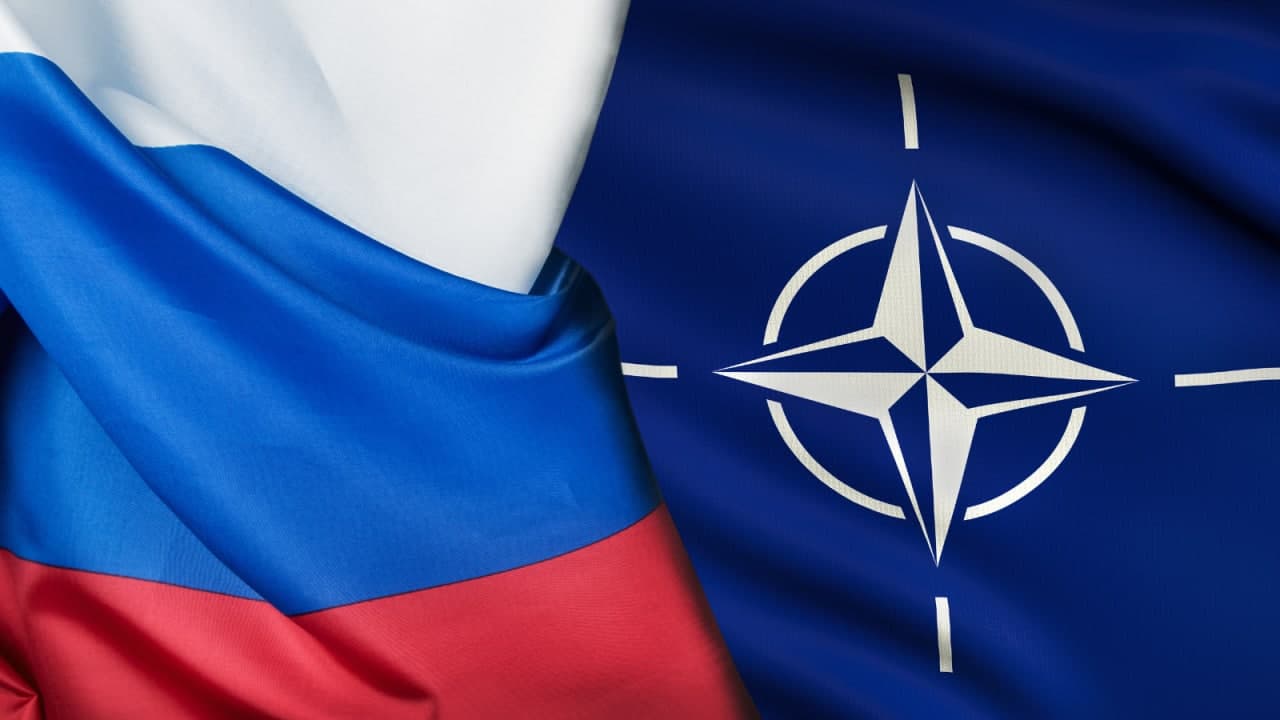
BRUSSELS/WASHINGTON — The U.S. administration has issued its starkest warning to date regarding the future of the trans-Atlantic alliance, threatening to withdraw from specific NATO defense coordination mechanisms if European allies fail to assume the majority of conventional defense responsibilities by 2027.
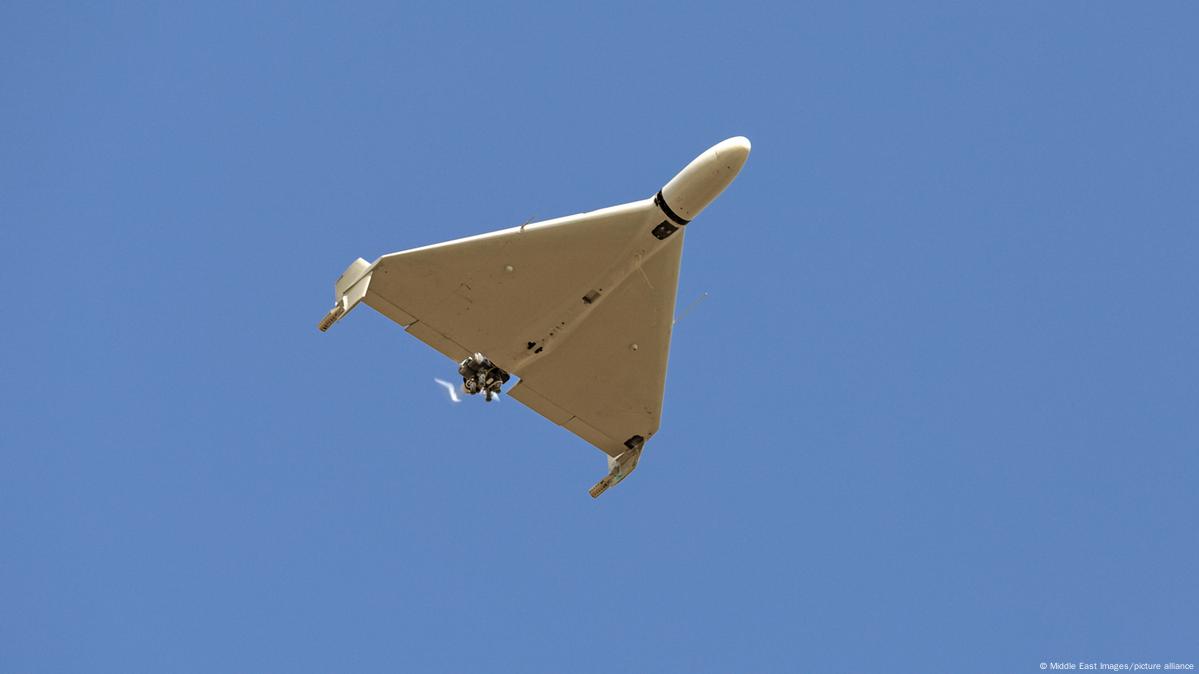
The ultimatum, delivered amidst a tense week of high-level diplomacy, raises immediate alarm for traders and analysts monitoring the stability of NATO’s eastern flank. With the window for potential Russian strikes on NATO territory or further drone incursions narrowing before the year's end, the prospect of a U.S. pullback in intelligence and command support adds a volatile variable to an already fragile security architecture.
The 'Sole Guarantor' Era Ends
U.S. Defense Secretary Pete Hegseth, attending the NATO defense ministers meeting in Brussels, made Washington's "hard power" doctrine explicit: the era of the United States acting as the "sole guarantor" of European security is over. Hegseth demanded allies immediately increase defense spending to 5% of GDP—a dramatic surge from the previous 2% baseline. He warned that failure to meet the 2027 operational handover would trigger a cessation of U.S. involvement in key coordination sectors, including missile defense integration and real-time intelligence sharing.
This strategic shift is driven by Washington's accelerated pivot to the Indo-Pacific to counter China, a move that necessitates freeing up assets currently tied to the European theater. However, the timing has rattled European capitals. Warsaw and the Baltic states fear that "decoupling" U.S. capabilities before Europe’s industrial base is ready could invite opportunistic Russian aggression.
Ukraine Leverage and the Peace Talks Vacuum
The ultimatum coincides with a reported pause in U.S. intelligence sharing with Ukraine, intended to pressure Kyiv into peace negotiations. Crucially, these negotiations are being led by U.S. envoys Steve Witkoff and Jared Kushner in direct talks with Russian officials—talks from which European allies have been excluded.
This exclusion reinforces the U.S. position that Europe must "set its own table" for post-war security. For analysts tracking the potential deployment of NATO or EU troops to Ukraine by mid-2026, this creates a distinct paradox: while the U.S. seeks to exit the conflict, the vacuum left by a withdrawing American security umbrella may force European nations to deploy active personnel to guarantee any resulting armistice. This effectively shifts the probability of "boots on the ground" directly toward the EU.
Frontline Vulnerabilities
The immediate concern for markets resolving by December 31, 2025, is whether this diplomatic friction emboldens the Kremlin. Russian President Vladimir Putin has seized on the rift, stating Russia is "ready for war" if Europe escalates.
Polish Prime Minister Donald Tusk has publicly criticized the 2027 deadline as unrealistic, warning that the visible split between Washington and Brussels increases the risk of miscalculation. With NATO fighter jets having engaged Russian drones over Poland as recently as September, the threatened reduction of U.S. coordination could leave frontline states more exposed to testing probes by Russian forces.
The absence of U.S. Secretary of State Marco Rubio from this week’s foreign ministers meeting further underscores the diplomatic distance. As Washington pushes for a settlement and a strategic exit, the burden of deterring a kinetic strike on NATO soil or managing the next airspace violation falls increasingly on a European command structure that the U.S. claims is not yet ready for the task.