
Kremlin Signals Progress on U.S. Peace Framework; Security Guarantees and DMZs in Focus




Kremlin Signals Progress on U.S. Peace Framework; Security Guarantees and DMZs in Focus
MOSCOW — The Kremlin signaled on Wednesday that negotiations with the United States to end the war in Ukraine are actively "moving forward," confirming that discussions have coalesced around a specific U.S.-drafted framework involving security guarantees for Kyiv and potential demilitarized zones.
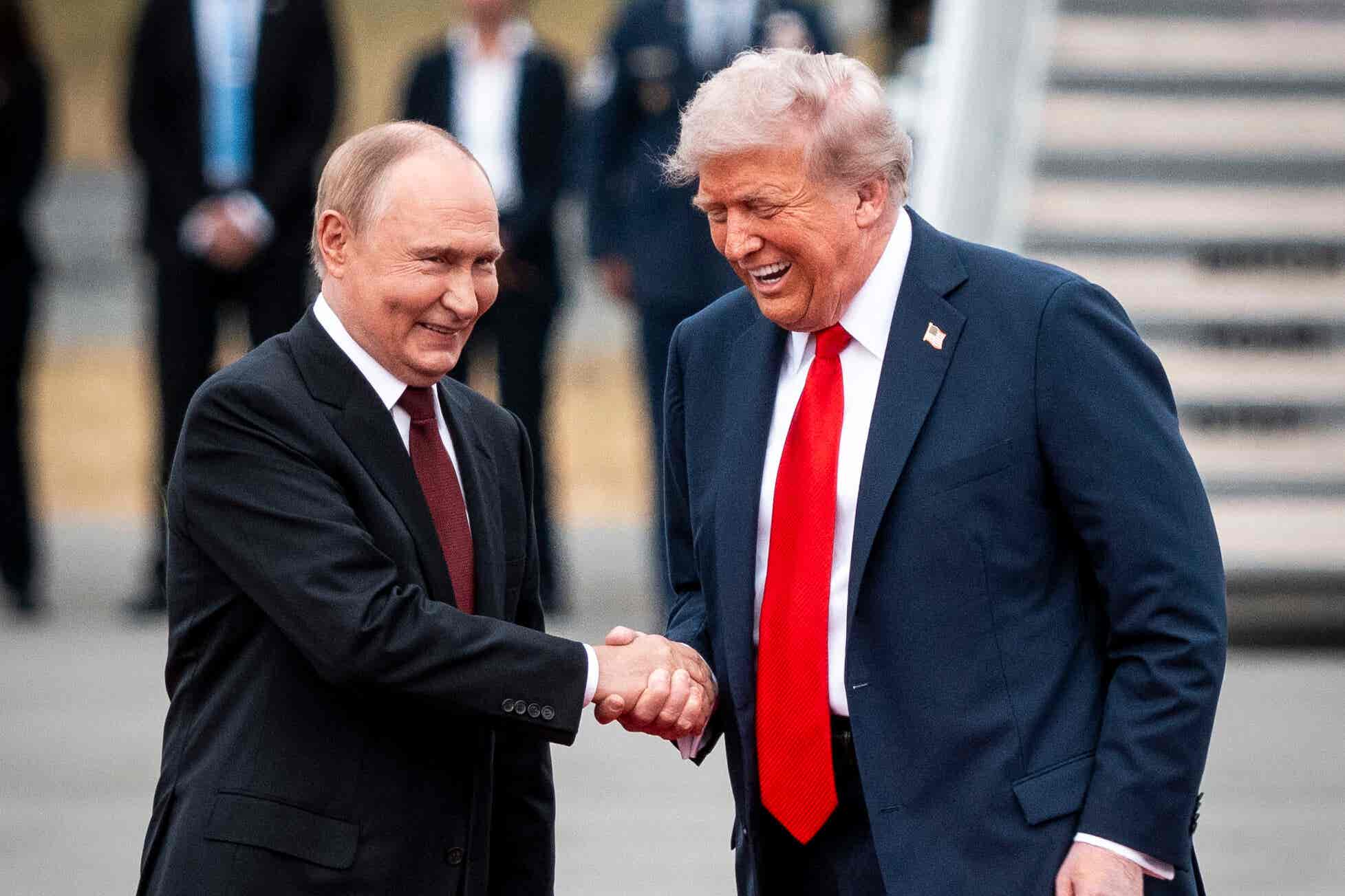
The announcement follows a high-stakes, five-hour meeting in Moscow on December 2 between Russian President Vladimir Putin and a U.S. delegation led by special envoy Steve Witkoff and senior adviser Jared Kushner. While Kremlin foreign policy aide Yuri Ushakov cautioned that "no compromise option" has been finalized, his characterization of the talks as "constructive" indicates that the contours of a potential agreement are solidifying.
At the core of the negotiation is a revised U.S. peace proposal, reportedly condensed from an earlier 28-point draft to a 19-point plan. For market observers, the refinement of this document is a critical signal regarding the likelihood of the Trump administration formally releasing a peace plan before the end of the year.
The talks directly address two major geopolitical flashpoints relevant to active prediction markets:
Security Guarantees Reports indicate the U.S. has tabled a 10-year security guarantee for Ukraine as an alternative to immediate NATO accession. This proposal seeks to create a binding defense obligation to protect Kyiv from future aggression—potentially mirroring bilateral treaties with major non-NATO allies—while circumventing Moscow's hardline opposition to Ukraine joining the Atlantic alliance. Ushakov confirmed that Ukraine’s NATO status remains a "key issue" for Russia.
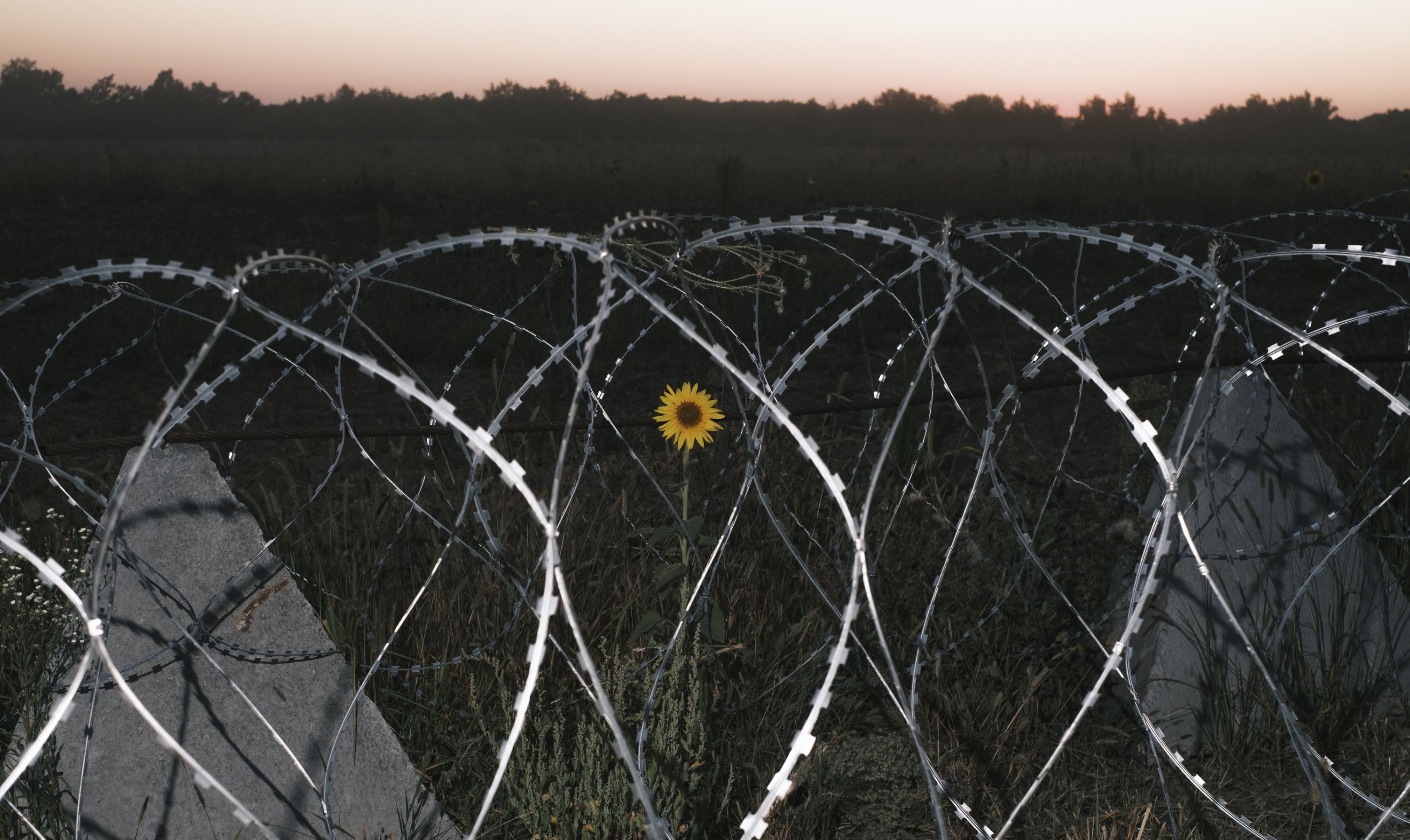
Buffer Zones Discussions have also broached the mechanics of territorial control, a deciding factor for any ceasefire. With Russian forces leveraging recent gains in the Donetsk region, U.S. negotiators have reportedly floated the concept of "demilitarized zones" or land swaps. An agreement on such a buffer zone would mark a significant step toward freezing hostilities, though it faces stiff resistance regarding the recognition of sovereignty over annexed territories.
The diplomatic push faces immediate hurdles. Ukrainian President Volodymyr Zelenskyy, who was not present at the Moscow session, warned against "games played behind Ukraine’s back," emphasizing that any deal must not leave the nation vulnerable.
Consultations are expected to continue in the United States in the coming days. The outcome of these meetings will determine if the current 19-point framework can evolve from a private working draft into a signed instrument capable of ending the nearly four-year conflict.