
US Codifies ‘Military Overmatch’ Doctrine for Taiwan as Beijing Weighs Response to Lai Transit


US Codifies ‘Military Overmatch’ Doctrine for Taiwan as Beijing Weighs Response to Lai Transit
WASHINGTON/TAIPEI – The White House explicitly designated "deterring a conflict over Taiwan" as a top national priority in a new National Security Strategy (NSS) released Friday. The doctrine, which prescribes maintaining "military overmatch" within the First Island Chain, lands during a fragile diplomatic window that analysts fear could precipitate immediate military signaling from Beijing.
The strategy release caps a week of escalating friction following Taiwan President Lai Ching-te’s high-profile transit through Hawaii. The visit, Lai’s first to U.S. soil since taking office, drew sharp condemnation from the Chinese Foreign Ministry, which labeled the trip a violation of the "One China" principle and threatened "resolute and forceful measures."
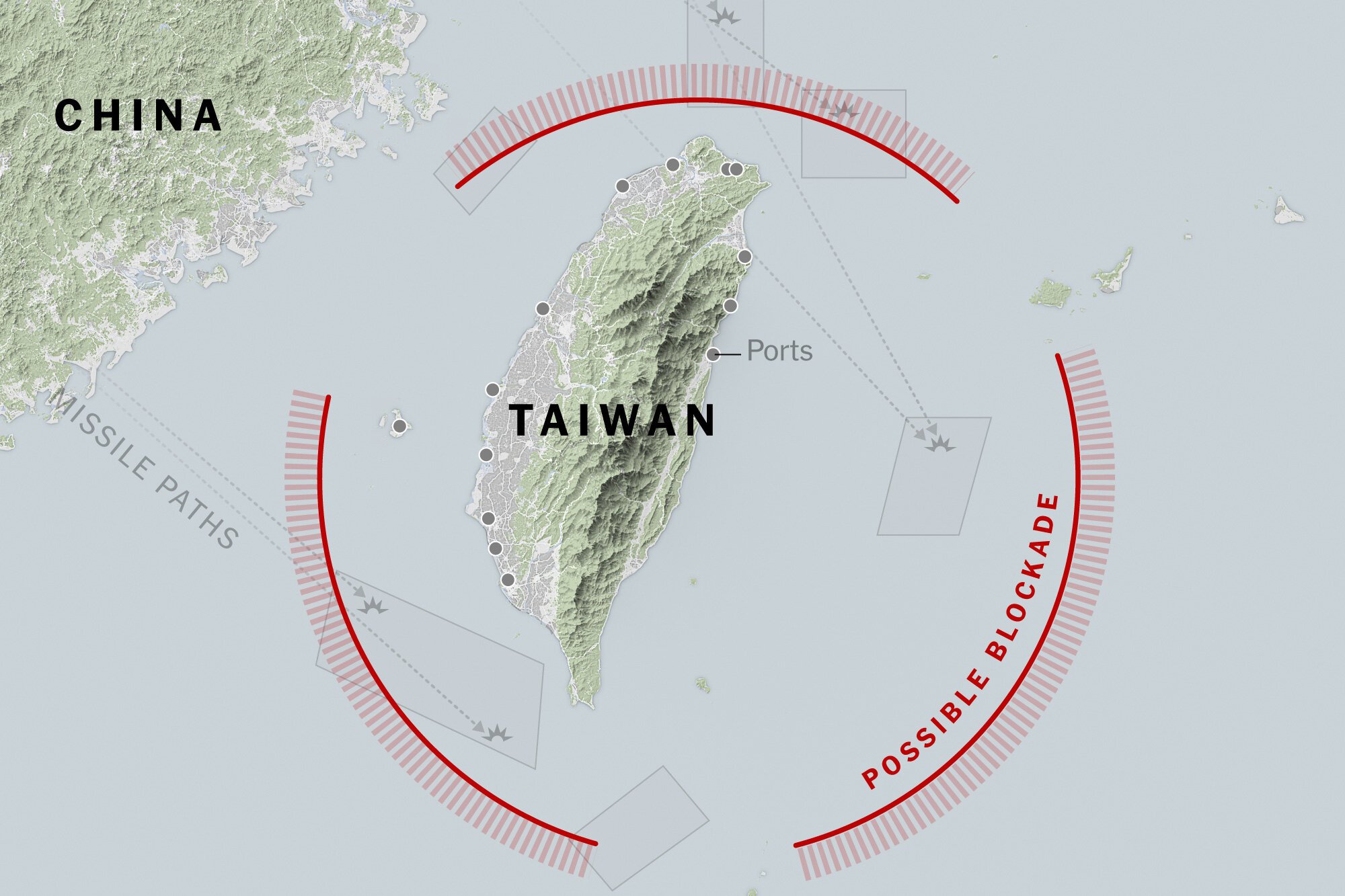
For regional observers and risk analysts, the focus has shifted to how the People's Liberation Army (PLA) will operationalize those threats. Security officials are currently monitoring Chinese forces for signs of large-scale exercises similar to the "Joint Sword" drills conducted earlier this year. Such maneuvers often serve as a barometer for the potential of unintended military encounters or the establishment of de facto blockade zones around the island.
A Strategy of Denial
The new U.S. document moves beyond ambiguous diplomatic language, outlining a "peace through strength" approach. It argues that Taiwan’s economic independence must be underpinned by a "robust focus on deterrence." Defense officials briefed on the strategy noted that while Washington opposes unilateral changes to the status quo, it is committed to ensuring Taiwan retains the capability to defend itself against coercion.
This strategic pivot aligns with a flurry of activity aimed at hardening the island’s defenses before the 2027 modernization window often cited by the PLA. In late November, the U.S. State Department approved arms packages totaling roughly $330 million for aircraft logistics and National Advanced Surface-to-Air Missile Systems (NASAMS).
Widening the Conflict Zone
The NSS also signals deeper integration with allies, specifically Japan and the Philippines, effectively broadening the scope of any potential Taiwan contingency.
The shift is already visible in Tokyo. In a marked departure from past ambiguity, Japanese Prime Minister Sanae Takaichi stated this week that a use of force against Taiwan could constitute a "survival-threatening situation" for Japan. Legally, this classification could authorize the deployment of Japan’s Self-Defense Forces, significantly altering the calculus for any Chinese offensive or blockade attempt.
The Immediate Risk
While the U.S. strategy focuses on long-term deterrence, the short-term outlook remains volatile. Beijing has characterized the recent U.S. arms sales and the Hawaii transit as crossing a "first red line."
President Lai, speaking from Hawaii, reiterated his administration's intent to raise Taiwan's defense budget to 5% of GDP. However, the critical question for markets is whether Beijing’s promised "forceful measures" will remain within the realm of standard military exercises or escalate into actions—such as airspace incursions or naval interdictions—that could trigger a kinetic clash before the year ends.