
Signal: State Council's 'Housekeeping' Agenda Signals Low Risk of Year-End Taiwan Escalation
BEIJING — Premier Li Qiang’s agenda for Friday’s State Council executive meeting offered a distinct signal to observers monitoring cross-Strait tensions: business as usual.
Devoid of mobilization rhetoric or emergency contingency planning, the session focused entirely on bureaucratic "housekeeping" and structural reforms. This mundane docket serves as a strong counter-indicator to imminent geopolitical risk, suggesting Beijing is not positioning the economy for the logistical or sanction-heavy shockwaves required to sustain a blockade of Taiwan before the December 31 deadline.
The Signal: Banality as Stability According to state broadcaster CCTV, the Friday session was dedicated to refining social policy and administrative governance. The leadership did not discuss strategic reserves or external security; instead, they prioritized:
- Insurance Unification: Advancing "provincial-level pooling" of basic medical insurance.
- Regulatory Clean-up: Discussing amendments to the Certified Public Accountants law.
- Cultural Initiatives: Approving draft regulations to promote nationwide reading.
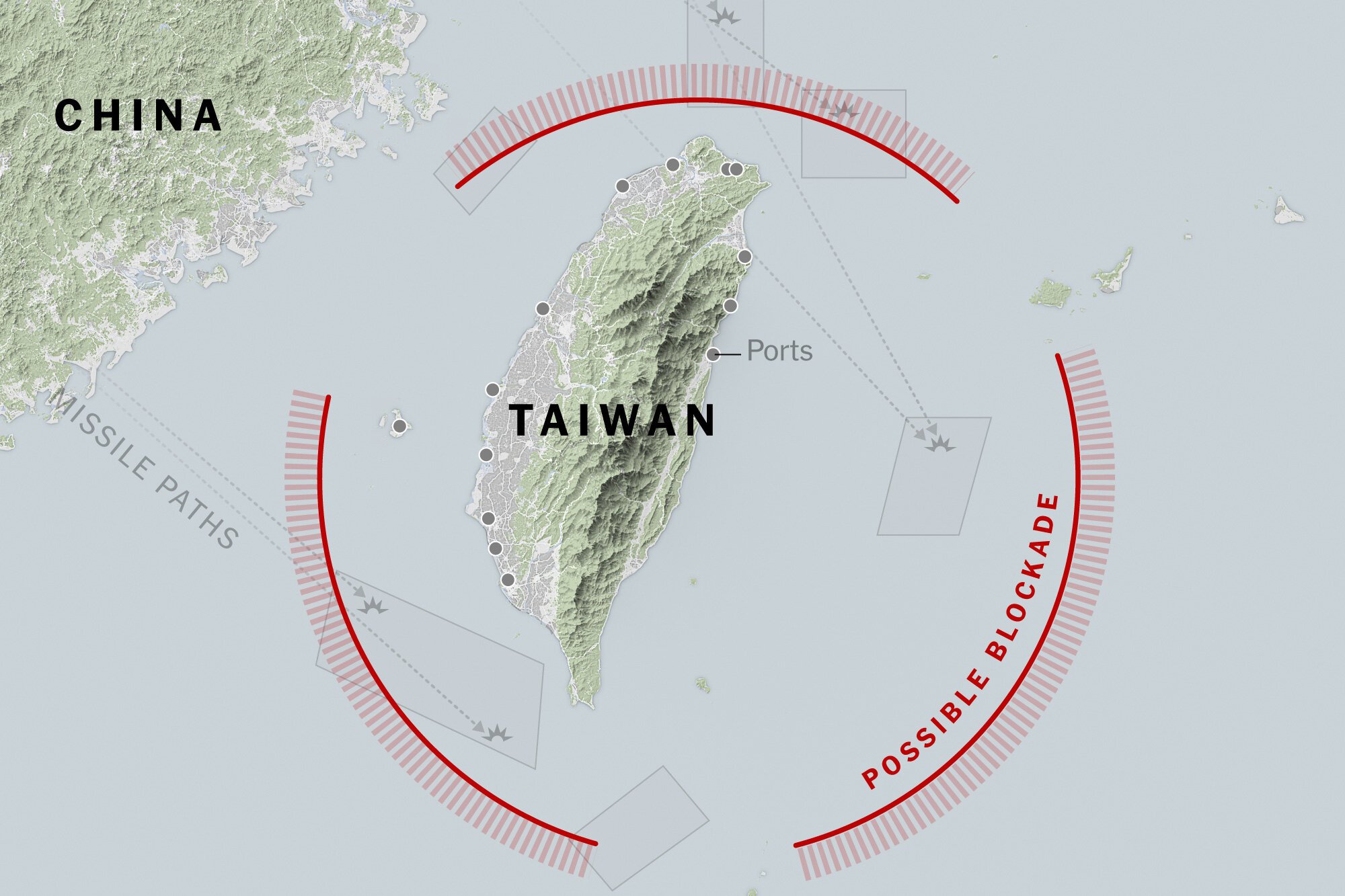
For market participants gauging the probability of a conflict, the banality of these topics is the critical data point. A blockade scenario—defined by the interruption of commercial traffic for 24 hours or more—would necessitate massive economic pre-positioning. It would require the State Council to shift focus toward "sanction-proofing" the financial sector and securing supply chains. The current focus on "internal circulation" and reading initiatives implies the leadership anticipates a stable operating environment through the year's end.
The CEWC Context The timing is equally significant. This meeting serves as the final administrative prelude to the Central Economic Work Conference (CEWC) in mid-December. The CEWC is Beijing's premier economic planning event, where leadership sets GDP targets for 2026.
The trajectory leading into the CEWC emphasizes the "effective utilization" of existing policies rather than emergency pivots. Following a November 27 review of "high-quality development," the Council’s directive to address local economic "bottlenecks" targets efficiency, not the hardening of the economy against external interdiction.
Conclusion With less than a month remaining in the 2025 window, the State Council’s continued focus on granular economic management reinforces the assessment that Beijing’s immediate resources are allocated toward domestic structural integrity. There are no visible administrative precursors to a near-term geopolitical escalation.