
Economist Consensus Locks in Dec 10 Rate Cut; Meeting Outcome Pivotal for Trump-Powell Dynamic
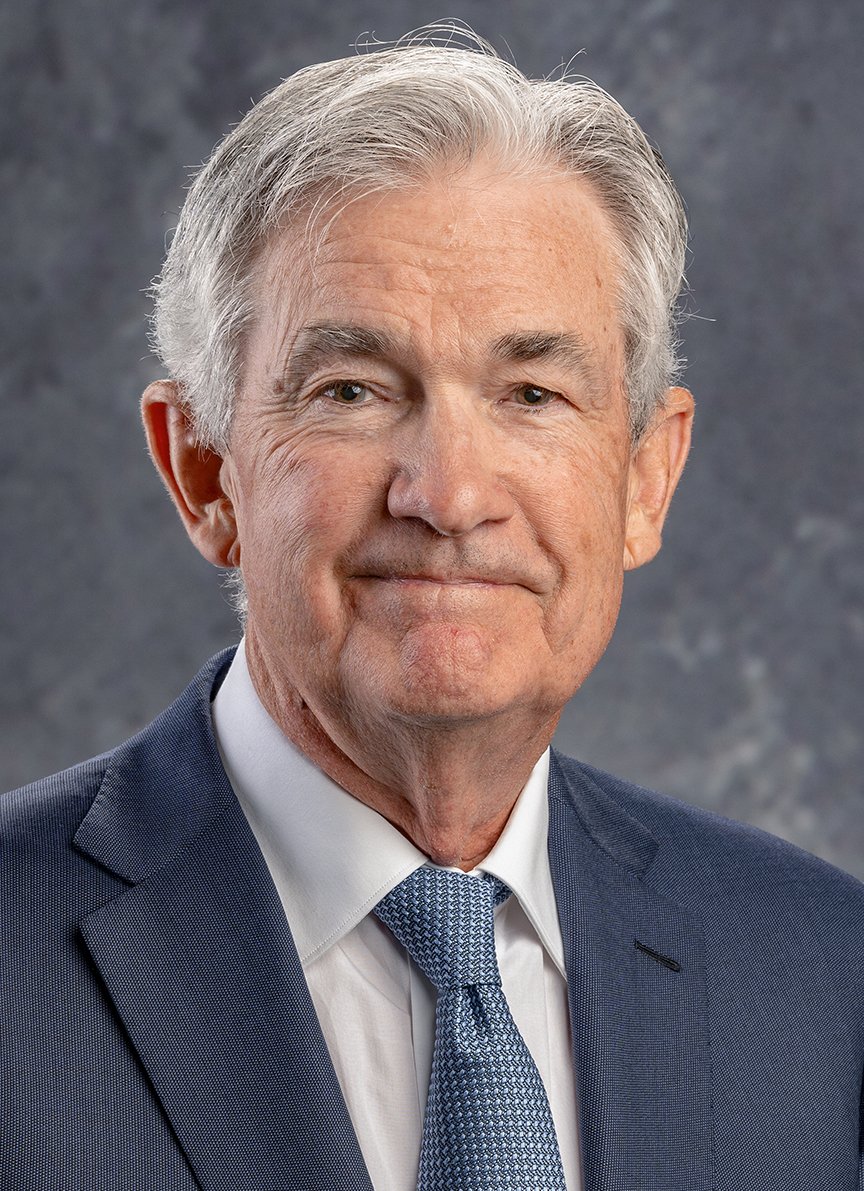
WASHINGTON – A rapid consolidation of economic forecasts now points to a definitive interest rate cut by the Federal Reserve next week, a move that could temporarily de-escalate tensions between the central bank and the White House.
For prediction market participants assessing the likelihood of direct engagement between President Donald Trump and Chair Jerome Powell this month, the December 10 policy meeting has emerged as the decisive variable.
According to a new poll of 108 economists, 89 now predict the Fed will lower the federal funds rate by 25 basis points to a range of 3.50%-3.75%. This consensus, driven by the sharpest decline in private payrolls in over two years, aligns the Fed’s trajectory with the administration’s stated preference for stimulus. Historically, executive intervention—specifically a direct call from the President—is most probable when the Fed is perceived as "behind the curve" or obstructive to growth. If Powell delivers the anticipated cut, the immediate catalyst for a confrontational consultation diminishes.
However, the threshold for satisfying the White House is moving. Kevin Hassett, a key economic adviser and potential 2026 successor to Powell, recently advocated for rates "well below 3%," effectively setting a new benchmark for the administration’s expectations.
This creates a binary risk profile for the December 10 event:
- The Consensus Scenario: The Fed cuts rates and signals a continued dovish path. This aligns with Hassett’s roadmap, reducing the incentive for President Trump to intercede via phone or meeting.
- The Risk Scenario: The Fed cuts but signals a "hawkish pause," or holds rates steady despite cooling labor data. Given the contraction in the services sector and the post-shutdown economic fragility, a failure to signal aggressive easing would likely trigger the "corrective conversation" traders are speculating on.
With the U.S. dollar index hitting five-week lows and Treasury yields pricing in easing, markets are banking on the former. Consequently, the probability of a Trump-Powell interaction relies heavily on a policy misstep or a communication breakdown next Tuesday.