
Signal: Waltz Mideast Tour Creates Tactical Pause Risk for Dec. 6 Strike Market

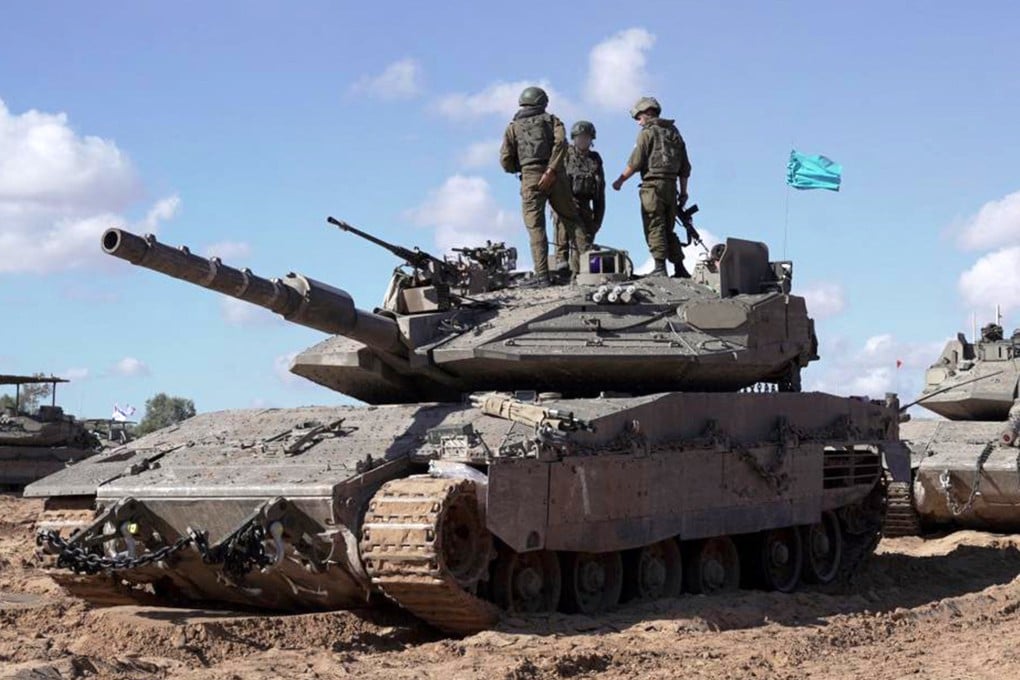
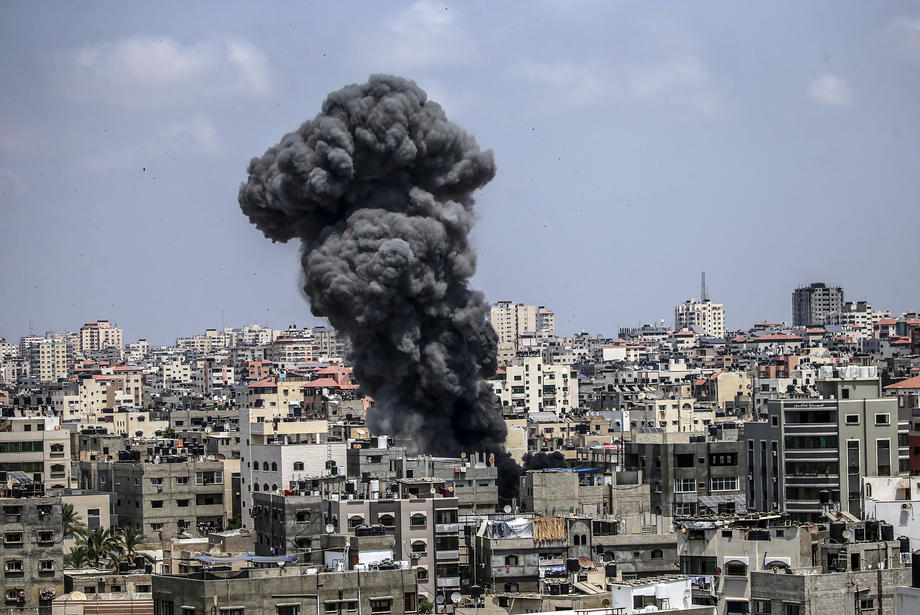
JERUSALEM — U.S. Ambassador to the United Nations Mike Waltz initiates a high-stakes diplomatic tour of Jordan and Israel on December 6, a move analysts identify as a significant geopolitical dampener for near-term volatility in Gaza.
The timing of the mission serves as a critical indicator for regional markets, particularly regarding the probability of Israeli military action on December 6 and the durability of the ceasefire through the December 31 year-end threshold.
The 'Diplomatic Shield' Effect Waltz’s arrival in the region coincides directly with market speculation regarding an Israeli strike on Gaza for December 6. Historically, the physical presence of a high-level U.S. delegation acts as a temporary constraint on major kinetic operations. While the itinerary begins in Jordan, the proximity of a senior U.S. official reduces the likelihood of significant IDF airstrikes or provocative ground maneuvers that could embarrass the delegation or derail the agenda.
This diplomatic window, which runs through December 10, effectively raises the threshold for military action, creating a "tactical pause" environment that weighs against affirmative resolutions for immediate strike markets.
Strategic Pivot: From Containment to Normalization The mission signals a shift in the Trump administration’s posture from immediate crisis containment to the "expansion of the Abraham Accords." Speaking in New York earlier this week, Waltz framed this broader normalization as the "strategic prize" for regional stability.
However, the administration remains acutely aware of the ceasefire's fragility. Waltz disclosed that an IDF strike in Doha prior to the October agreement had nearly caused negotiations to come "completely unglued." This context underscores the high sensitivity of the current visit; the U.S. is prioritizing the preservation of the status quo to prevent a collapse of the truce before 2026.
The Security Guarantee Waltz, championing a "peace through strength" doctrine, will be joined by Israeli Ambassador to the UN Danny Danon for the Israel leg of the trip starting December 8. This joint delegation is designed to project international legitimacy and reinforce security guarantees.
For observers monitoring the December 31 ceasefire and ground offensive markets, the visit represents a concerted effort to lock in the current pause in fighting. By pivoting to long-term issues like the post-war status of the West Bank and Jerusalem, the administration is signaling confidence that the immediate threat of a ceasefire collapse can be managed through the end of the year.