
Kremlin Dismisses Negotiation Leaks as 'Hybrid War,' Dashing Odds of November Trump-Putin Call
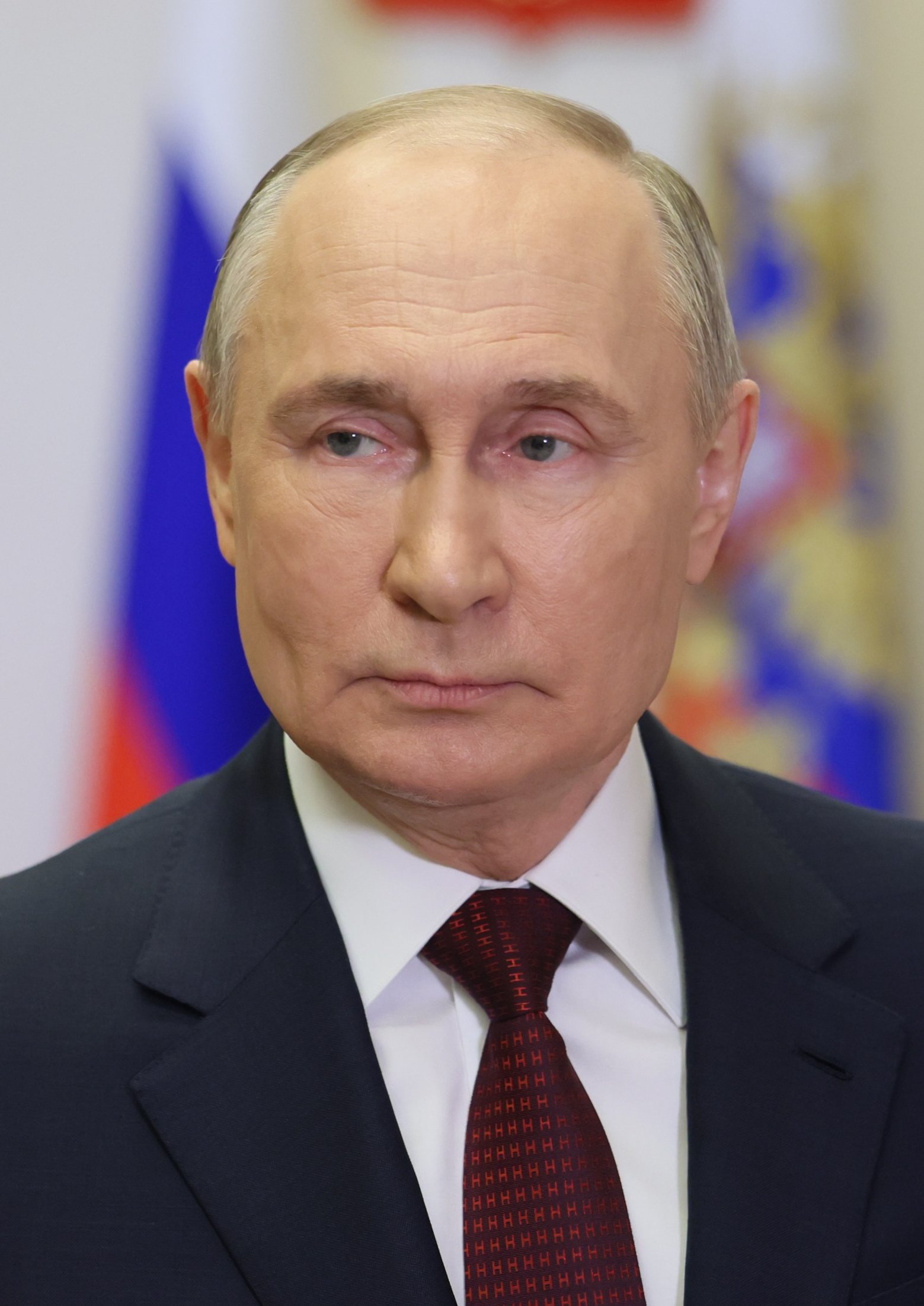
DATELINE: MOSCOW/WASHINGTON
The Kremlin has dismissed leaked transcripts of backchannel negotiations with the U.S. as "fake" and an act of "hybrid war," effectively freezing the diplomatic environment necessary for a direct call between Vladimir Putin and Donald Trump before the end of the month.
For market observers gauging the likelihood of a leader-to-leader interaction by November 30, the hostile reaction from Moscow signals that the security and trust protocols required for such a call are currently non-existent.
The friction stems from the November 25 publication by Bloomberg News of transcripts purporting to show Steve Witkoff, Donald Trump’s special envoy, "coaching" Kremlin aides in October on how to flatter Trump to secure a peace deal.
While the Kremlin’s overarching stance—attributed to Putin’s inner circle—is one of dismissal, the specific rebuttals have come from top advisers. Kirill Dmitriev, a key backchannel figure, labeled the documents "fake," while foreign policy aide Yuri Ushakov called the leak "unacceptable" and aimed at "disrupting U.S.-Russia contacts." Ushakov’s assertion that "someone is listening" implies a security breach that typically precludes high-level telecommunications until channels are swept and re-verified.
This controversy has disrupted the logistical critical path for a November meeting. The leaks emerged days before a reported trip by Witkoff to Moscow, a necessary precursor to finalizing the agenda for a Putin-Trump conversation. With that trip now jeopardized by the breach of confidentiality, the operational window to arrange a formal call in the remaining days of November has likely closed.
While Trump has downplayed the leaks as standard negotiating tactics, the Kremlin’s defensive posture suggests they view the breach as a deliberate sabotage of the transition’s diplomatic efforts, making immediate engagement improbable.**